
The Beauty and Meaning Behind Headstones: Honoring a Life
October 19, 2025
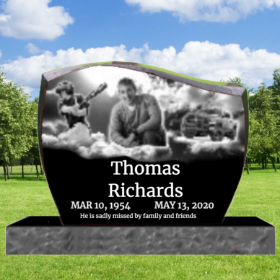
When it comes to honoring and remembering our loved ones who have passed away, one of the most enduring symbols is the headstone. These carefully crafted markers serve as both a physical reminder of a life lived and a symbol of love, respect, and remembrance. From simple designs to elaborate sculptures, headstones have been used for centuries to honor and memorialize those we have lost. Let’s dive into the history, symbolism, and beauty behind headstones.
A Timeless Tradition
The tradition of using headstones to mark graves dates back thousands of years, with some of the earliest being found in ancient civilizations such as Ancient Egypt and Greece. In these cultures, headstones were often ornately carved and served as a way to ensure the deceased would be remembered and honored. This practice continued throughout history, with different cultures and religions placing their own unique spin on headstone design. Today, headstones continue to be an integral part of funeral and burial ceremonies, providing a lasting tribute to the deceased.
With advances in technology and design, headstones have evolved from simple stone markers to intricate works of art. Custom headstones can now be made from a variety of materials including marble, granite, and even bronze. These materials not only provide durability but also allow for more intricate and detailed designs. From traditional engravings to personalized photos and quotes, headstones can truly reflect the personality and life of the individual being honored.
Symbols and Meanings
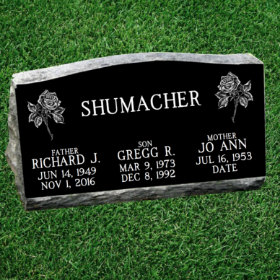
One of the most fascinating aspects of headstones is the use of symbolism. Many elements such as flowers, animals, and religious symbols can hold different meanings and convey specific messages. For example, an anchor symbolizes hope and salvation in Christianity, while a dove is often seen as a symbol of peace and the Holy Spirit. These symbols not only add beauty to the headstone but also provide a deeper layer of meaning for those who know how to interpret them.
Colors also play an important role in headstone design and symbolism. White marble, for example, is often used to represent purity and innocence, while black granite can signify strength and stability. Other colors such as red, blue, or green may have personal significance to the deceased or their loved ones. These colors, combined with design elements, can create a truly unique and meaningful headstone.
A Lasting Tribute
Headstones serve as a lasting tribute to the life and memory of the individual being honored. They provide a physical place for loved ones to come and pay their respects, serving as a comforting reminder that their loved one will never be forgotten. In addition, headstones can also serve as a way for future generations to learn about their family history and heritage. By preserving the memories and stories of those who have passed away, headstones help us keep their legacies alive.
Today, there are even ways to incorporate technology into headstone design, allowing for interactive and personalized experiences. QR codes can be engraved onto headstones, allowing visitors to access photos, videos, and other information about the deceased via their smartphones. This not only adds a modern touch but also provides a way to share memories and stories with others.
Conclusion: Honoring a Life
Headstones hold a special place in our hearts as tools for honoring and remembering our loved ones. From their rich history to their intricate designs and symbolism, they serve as a timeless tribute to those who have left us. Whether it’s a simple marker or an elaborate work of art, headstones hold a profound meaning that transcends time and connects us to our past. So let’s continue to honor and celebrate the lives of those we have lost through these enduring symbols.